Easy Crochet Dishcloth: Free Beginner Pattern & Tutorial
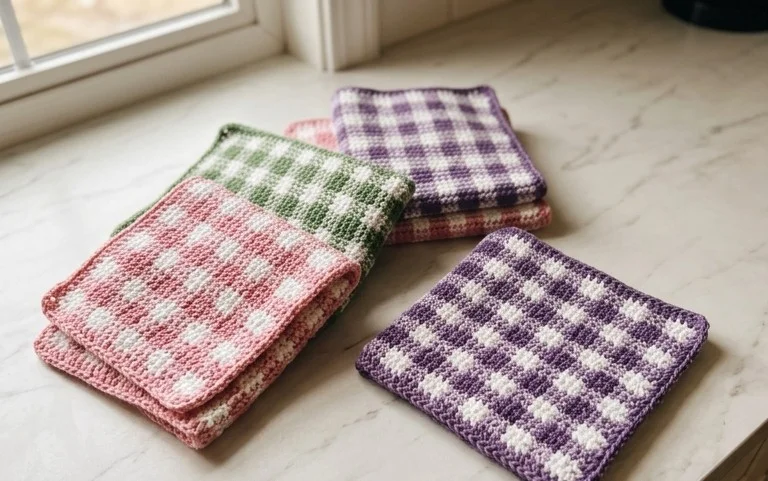
A fresh, cotton dishcloth feels thick and nubby between your fingers, providing the exact grip needed for scrubbing stubborn spots on a glass stovetop or drying off a heavy ceramic mixing bowl. These small items act as a meditative break from larger, more complicated blankets or garments that can take months to finish. Beginners often struggle with messy edges, but this pattern provides the clear stitch counts to keep your work square and tidy every time you sit down for a quick session. You will learn a simple repeating stitch pattern that builds a durable, absorbent fabric suitable for any home.
Why You’ll Love This Pattern
The Classic Crochet Dishcloth is a functional, everyday essential that brings a satisfying rhythm to your crafting routine. Using a simple combination of basic stitches, this project creates a dense, absorbent fabric that holds up well under heavy kitchen use. It works up quickly, making it a reliable choice for using up leftover cotton yarn from larger projects. Because it relies on a repetitive texture, you can easily complete it while listening to an audiobook or catching up on television.
I finally learned how to keep my edges straight using this pattern, and now I have a whole drawer full of handmade cloths for my kitchen.
— Sarah, home cook
Pattern Overview & Skill Level
- Skill Level: Beginner
- Approximate Time: 45–60 minutes
- Construction: Worked in flat rows, turning at the end of each row
- Finished Dimensions: 8 inches by 8 inches
Materials & Supplies Needed
- Yarn: Worsted weight (#4), 100% cotton, approximately 60 yards per dishcloth.
- Hook Size: 5.0 mm (H-8).
- Notions: Tapestry needle for weaving in ends, sharp scissors.
- Yarn Substitutions: Stick to 100% cotton or a cotton-linen blend. Acrylic yarn will not absorb water effectively and is not recommended for kitchen cleaning tasks. Using a lighter weight yarn will require an increased starting chain and more rows to reach the 8-inch target.
Stitch Guide & Abbreviations (US Terms)
- ch: chain
- sc: single crochet
- dc: double crochet
- st/sts: stitch/stitches
- sk: skip
- turn: turn your work to the opposite side to begin the next row
Step-by-Step Pattern Instructions
Main Dishcloth Body
This pattern uses the “Seed Stitch” texture, which alternates single and double crochet stitches to create a bumpy, scrubby surface perfect for cleaning.
- Foundation: Ch 31.
- Row 1: Sc in the second ch from the hook. Dc in the next ch. *Sc in the next ch, dc in the next ch. Repeat from * across until 1 st remains. Sc in the last st. Turn. (30 sts).
- Row 2: Ch 1. Sc in the first dc of the previous row. Dc in the next sc. *Sc in the next dc, dc in the next sc. Repeat from * across. Sc in the turning chain. Turn. (30 sts).
- Rows 3–28: Repeat Row 2 until the piece measures 8 inches long.
- Finishing: Fasten off, leaving a 6-inch tail. Use a tapestry needle to weave the tail back and forth through the stitches on the back side of the cloth to secure it. Trim any excess yarn close to the fabric.
Care & Washing Instructions
- Machine wash your dishcloth in warm water using a mild detergent.
- Tumble dry on low heat or lay flat on a drying rack to prevent shrinking.
- Reshape the square by pulling gently on the corners while it is damp to ensure it remains flat.
Pro Tips & Common Mistakes to Avoid
Consistent tension is vital for a flat dishcloth. If you find your edges are curling, you are likely pulling the stitches too tightly at the beginning and end of each row. Practice maintaining a loose, relaxed grip on your yarn. Always use a stitch marker at the end of your rows if you are struggling to identify the last stitch of the row, as the alternating pattern can make the edges look uneven to a beginner. When weaving in your ends, always work in at least two different directions to ensure the tail does not pull out during the wash cycle. If you decide to adjust the size, remember that the starting chain must be an odd number to maintain the alternating stitch pattern.
Frequently Asked Questions
Can I use a larger hook for this pattern?
Using a larger hook will result in a looser, more open fabric. While this makes the project faster, it will make the dishcloth less effective at scrubbing, as the stitches will not be dense enough to hold soapy water.
How do I know if my tension is correct?
The fabric should feel sturdy and firm, not lacy or holey. If you can easily poke your finger through the gaps between your stitches, consider dropping down one hook size to 4.5 mm.
Can I sell the dishcloths I make from this pattern?
You are welcome to sell finished items made from this design. Please credit the pattern origin if you list them in an online shop or craft fair, but do not reproduce or sell the written pattern instructions themselves.
Is this pattern suitable for someone who has never crocheted before?
Yes, this is an ideal first project. It only requires knowledge of how to chain, single crochet, and double crochet. You will gain comfort in maintaining consistent tension and managing row counts without the complication of shaping or complex increases.
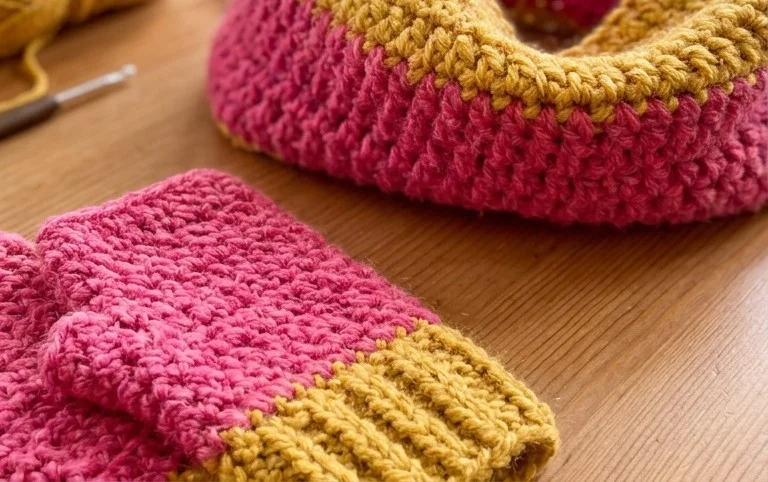
Your finished dishcloth will stand up to years of daily washing, especially if you rinse it well and hang it to dry between uses. Change the appearance by alternating two contrasting colors of yarn every row to create a bold, striped washcloth that adds a pop of personality to your kitchen sink area. Posting a photo of your work on social media helps other makers see how simple stitches come together for a useful result. Browse the archives for more quick projects you can finish tonight.